

Introduction
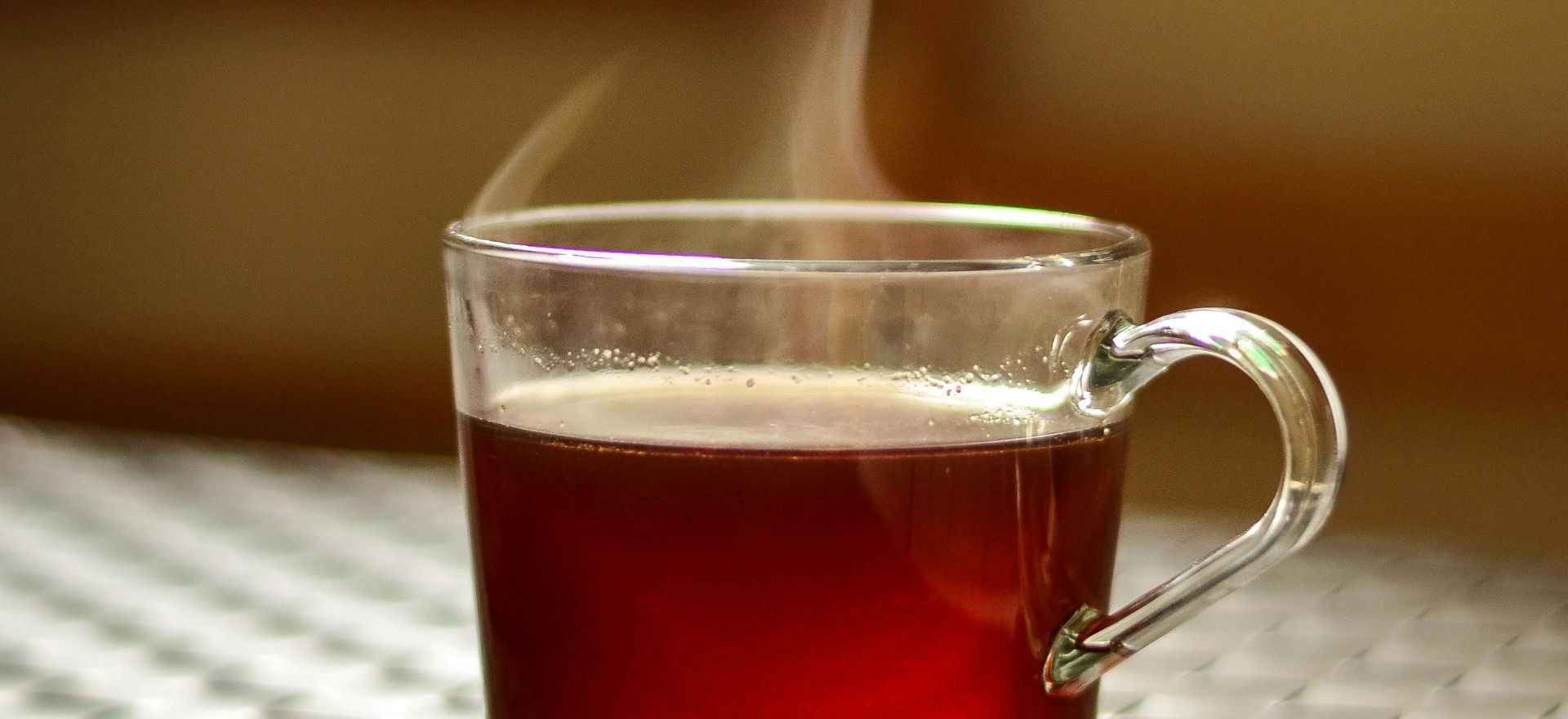
For centuries, tea has been celebrated as a beverage with countless health benefits. Among these, its potential to aid in weight loss has gained significant attention. Packed with antioxidants, metabolism-boosting compounds, and natural detoxifiers, tea has become a go-to solution for those seeking a healthier way to shed pounds. Whether you’re looking to kickstart your journey or optimize your current routine, understanding the role of tea in weight management can make a world of difference. Learn everything you need to know about tea for weight loss and discover how this ancient elixir can help you achieve your goals naturally.
Quick Tips for Weight Loss with Tea
- Choose the Right Tea: Green tea, oolong tea, and herbal teas are particularly effective for weight loss.
- Drink Tea Before Meals: Consuming tea before eating can help reduce appetite and prevent overeating.
- Avoid Sweeteners: Opt for unsweetened tea to minimize calorie intake.
- Incorporate Tea Into Your Morning Routine: A warm cup of tea can kickstart your metabolism for the day.
- Stay Consistent: Make tea a daily habit for long-term results.
- Hydrate with Tea: Replace sugary drinks and sodas with tea to reduce calorie consumption.
- Try Matcha: Matcha green tea is especially rich in fat-burning catechins.
- Experiment with Herbal Blends: Peppermint, ginger, and dandelion teas can support digestion and detoxification.
- Use Tea as a Stress Reliever: Cortisol, a stress hormone, can lead to weight gain. Tea helps promote relaxation.
- Brew Tea Properly: Over-brewing can make tea bitter, discouraging regular consumption.

The Role of Green Tea in Weight Loss
Green tea is one of the most popular beverages for weight loss due to its rich antioxidant content, particularly catechins. Catechins help boost metabolism and enhance the body’s ability to burn fat. The caffeine in green tea works synergistically with these antioxidants, providing a mild energy boost and improving exercise performance. Drinking green tea regularly can also aid in reducing visceral fat, which is linked to several health issues. For optimal results, consume freshly brewed green tea without sweeteners two to three times daily, ideally before meals or as a mid-morning or afternoon drink.
Oolong Tea: The Fat-Burning Wonder
Oolong tea is a semi-oxidized tea that combines the qualities of green and black tea, making it a potent choice for weight loss. It is known to enhance fat oxidation and improve metabolism, even hours after consumption. The polyphenols in oolong tea activate enzymes that break down triglycerides, reducing fat storage in the body. Regularly drinking oolong tea can help target stubborn belly fat and support overall weight management. To enjoy its benefits, brew a cup of oolong tea in hot water for 3-5 minutes and savor it before meals or as an afternoon pick-me-up.
Herbal Teas for Detox and Digestion
Herbal teas, such as peppermint, ginger, and dandelion, offer numerous weight loss benefits. These caffeine-free teas are excellent for improving digestion, reducing bloating, and flushing out toxins. Ginger tea, for instance, stimulates digestion and can help curb appetite. Peppermint tea soothes the digestive system, while dandelion tea acts as a natural diuretic, reducing water retention. Incorporating herbal teas into your daily routine can support a healthy metabolism and aid in achieving a flatter stomach. Enjoy them warm or iced, and consider drinking a cup after meals to enhance digestion and reduce cravings.
The Science Behind Tea and Metabolism
Tea’s impact on metabolism is backed by science. The polyphenols and catechins in tea increase thermogenesis, a process that helps the body burn calories more efficiently. This calorie-burning effect is most pronounced with green and oolong teas, which are rich in these compounds. Additionally, tea’s ability to improve fat oxidation means that the body is better equipped to use stored fat as an energy source. Drinking tea regularly can result in subtle but consistent improvements in weight management over time. For maximum metabolic benefits, consume tea in its purest form, without added sugars or milk.
Drinking Tea Before Bed
Certain teas, such as chamomile, lavender, and rooibos, are perfect for nighttime consumption and can indirectly support weight loss. These teas promote relaxation and improve sleep quality, which is crucial for maintaining hormonal balance. Hormones like cortisol and ghrelin, when disrupted by poor sleep, can lead to weight gain and increased appetite. By drinking a caffeine-free tea before bed, you can calm your mind, prepare your body for restful sleep, and set the stage for better weight management. Add a cup of chamomile or lavender tea to your nightly routine to unwind and recharge.
Matcha: A Superfood for Weight Loss
Matcha is a powdered form of green tea that is gaining popularity for its incredible health benefits. Unlike regular green tea, matcha contains the entire tea leaf, making it a concentrated source of catechins and antioxidants. Matcha is especially effective in boosting metabolism, enhancing fat oxidation, and providing a sustained energy boost. It can also help reduce stress levels, thanks to its L-theanine content, which promotes relaxation without drowsiness. To incorporate matcha into your diet, whisk one teaspoon of matcha powder into hot water or add it to smoothies and baked goods for a nutritious twist.
The Impact of Caffeine in Tea
Caffeine is a natural stimulant found in many types of tea, including green, black, and oolong. It plays a significant role in weight loss by increasing energy expenditure and suppressing appetite. Unlike coffee, tea provides a gentler dose of caffeine, which minimizes the risk of jitters. The combination of caffeine and antioxidants in tea works synergistically to enhance fat burning and improve exercise performance. To reap the benefits of caffeine in tea, opt for freshly brewed options and avoid adding sugar or cream, which can negate its positive effects on weight management.
How to Brew Tea for Maximum Benefits
The way you prepare tea can influence its health benefits. Using water that is too hot can destroy some of the delicate compounds in tea, such as catechins and polyphenols. Aim for water temperatures between 160°F and 180°F for green and white teas, and slightly hotter for black and oolong teas. Steep the tea for the recommended time—typically 2-5 minutes—to extract its full range of nutrients and flavors. Avoid over-brewing, as this can result in a bitter taste. For added benefits, experiment with fresh ingredients like lemon or ginger to enhance the flavor and nutritional profile.
Combining Tea with Exercise
Tea can be an excellent companion to your fitness routine. Drinking tea before a workout can improve endurance, increase fat oxidation, and boost overall energy levels. Green tea, in particular, contains compounds that enhance the body’s ability to burn fat during physical activity. The caffeine in tea also helps improve focus and performance. Post-workout, a cup of herbal tea like ginger or peppermint can aid in recovery and reduce muscle soreness. Incorporating tea into your exercise regimen is a simple way to amplify your results and stay hydrated throughout your fitness journey.
Black Tea for Weight Loss
Black tea is a robust and flavorful option for those looking to lose weight. Rich in flavonoids, black tea supports gut health and helps regulate body weight. Its caffeine content provides an energy boost, making it a great choice for mornings. Black tea also contains compounds that influence fat distribution, particularly in the abdominal area. Drinking black tea regularly can reduce calorie intake by curbing cravings for sugary snacks. For best results, enjoy black tea unsweetened or with a squeeze of lemon. It can also be a satisfying replacement for high-calorie beverages like sodas or sugary coffee drinks.
The Role of Antioxidants in Tea
Antioxidants are powerful compounds that protect the body from oxidative stress and inflammation. Teas like green, white, and oolong are particularly rich in antioxidants, such as catechins and flavonoids. These compounds support cellular health, improve metabolism, and aid in fat burning. Drinking antioxidant-rich teas can also promote skin health, reduce signs of aging, and boost overall immunity. To maximize antioxidant intake, choose high-quality teas and brew them properly. Regular consumption of tea not only supports weight loss but also contributes to a healthier and more vibrant lifestyle.
Tea as a Replacement for Sugary Beverages
Replacing high-calorie sodas and juices with tea is one of the easiest ways to reduce daily calorie intake. Unsweetened tea provides a flavorful and satisfying alternative without the added sugars that contribute to weight gain. Green tea, black tea, and herbal teas can be enjoyed hot or iced, making them versatile options for any season. Over time, swapping sugary drinks for tea can lead to significant calorie savings and support sustainable weight loss. For those who prefer a touch of sweetness, consider natural options like stevia or a slice of fruit to enhance the flavor.
The Importance of Hydration
Staying hydrated is essential for effective weight loss, and tea is an excellent way to meet your daily fluid needs. Unlike plain water, tea offers additional benefits such as antioxidants, metabolism boosters, and a variety of flavors to keep things interesting. Proper hydration supports digestion, reduces water retention, and helps regulate appetite. Drinking tea throughout the day can prevent dehydration and promote overall well-being. Herbal teas are particularly beneficial for hydration, as they are caffeine-free and can be consumed in larger quantities. Make tea a regular part of your routine to stay hydrated and support your weight loss goals.
Tea for Emotional Eating
Emotional eating can derail weight loss efforts, but tea can help curb this habit. The act of sipping a warm cup of tea can be soothing and provide a sense of comfort, reducing the urge to reach for unhealthy snacks. Teas like chamomile, peppermint, and lavender are especially effective in promoting relaxation and calming the mind. Drinking tea mindfully can also help you become more aware of your hunger cues and emotional triggers. Incorporating tea into your daily routine can be a simple yet powerful strategy to combat stress and maintain healthy eating habits.
Rooibos Tea and Fat Storage
Rooibos tea is a caffeine-free herbal tea that offers unique benefits for weight management. It contains a compound called aspalathin, which has been shown to reduce stress-induced fat storage and regulate blood sugar levels. Rooibos tea is also rich in antioxidants that support overall health. Its naturally sweet flavor makes it a satisfying alternative to sugary drinks, helping to reduce calorie intake. Drinking rooibos tea regularly can aid in controlling cravings and promoting a balanced metabolism. Enjoy it hot or iced, and consider adding a slice of lemon or a dash of cinnamon for added flavor.
White Tea for Fat Breakdown
White tea is the least processed type of tea, preserving its high levels of catechins and antioxidants. These compounds help break down fat cells and prevent the formation of new ones. White tea also contains small amounts of caffeine, which can boost metabolism and energy levels. Its delicate flavor makes it a refreshing option for those who prefer milder teas. Drinking white tea regularly can support gradual and sustainable weight loss. Brew it at a lower temperature to preserve its nutrients, and pair it with healthy snacks like fresh fruit or nuts for a balanced treat.
Combining Teas for Enhanced Benefits
Blending different types of teas can amplify their weight loss benefits and create unique flavor profiles. For example, mixing green tea with oolong tea combines their fat-burning and metabolism-boosting properties. Adding herbal teas like ginger or peppermint to your blend can further enhance digestion and reduce bloating. Experiment with different combinations to find the flavors and benefits that work best for you. Preparing your own tea blends also allows you to control the ingredients and avoid added sugars or artificial flavors. Enjoy your custom tea creations as part of a balanced diet and active lifestyle.
Tea and Gut Health
A healthy gut is crucial for effective weight management, and certain teas can help support gut health. Kombucha, a fermented tea, contains probiotics that improve digestion and promote a healthy balance of gut bacteria. Herbal teas like ginger and peppermint can soothe the digestive system and reduce inflammation. Drinking tea regularly can also help prevent bloating and improve nutrient absorption, which are essential for maintaining a healthy weight. To maximize gut health benefits, choose teas that are free from artificial additives and enjoy them as part of a diet rich in fiber and whole foods.
Avoiding Common Mistakes with Tea for Weight Loss
While tea is a powerful tool for weight loss, certain mistakes can hinder its effectiveness. Adding sugar, milk, or artificial sweeteners to tea increases calorie intake and negates its benefits. Over-brewing tea can result in a bitter taste that discourages regular consumption. Drinking too much tea can lead to caffeine-related side effects, such as jitteriness or insomnia. To avoid these pitfalls, stick to unsweetened tea, follow proper brewing instructions, and limit your intake to three to four cups per day. By addressing these common mistakes, you can fully enjoy the weight loss benefits of tea.
FAQ
1. What is the best tea for weight loss?
Green tea and oolong tea are considered the most effective due to their high catechin content and metabolism-boosting properties.
2. How much tea should I drink daily for weight loss?
Two to three cups of tea per day is generally sufficient to see results without overconsuming caffeine.
3. Can I drink tea on an empty stomach?
Yes, but some people may experience nausea or acid reflux. Start with a light tea like green or white tea.
4. Does adding lemon to tea help with weight loss?
Yes, lemon enhances the antioxidant properties of tea and supports digestion, making it an excellent addition.
5. Are herbal teas effective for weight loss?
Herbal teas like ginger, dandelion, and peppermint support digestion and detoxification, aiding weight loss.
6. Can I drink tea before bed for weight loss?
Yes, caffeine-free teas like chamomile or rooibos can promote relaxation and indirectly support weight loss through better sleep.
7. Is iced tea good for weight loss?
Unsweetened iced tea can be refreshing and beneficial. Avoid pre-packaged versions that often contain added sugars.
8. What’s the best way to sweeten tea without sugar?
Natural sweeteners like stevia or a touch of honey (in moderation) can be used without significantly increasing calorie content.
9. Can tea replace meals for weight loss?
No, tea should complement a balanced diet, not replace meals. It can help curb hunger but should not be a substitute for nutritious food.
10. How quickly can I see weight loss results with tea?
Results vary based on diet, exercise, and consistency, but many people notice changes within a few weeks of regular tea consumption.